The problem
Children's toys are bought, quickly abandoned, and rarely repaired or passed on in any organised way. Families spend thousands on things their children outgrow in months, but existing circular services hadn't yet made toy rental convenient, trusted, and financially robust enough to become a mainstream alternative.
The research
Six parents of children aged 2–13 were interviewed about toy habits, spending, and what would make a rental service worth trying. Parents were willing to pay around 1000 SEK per year per child, and most were interested if the service was age-appropriate, hygienic, and convenient. Four existing circular services were benchmarked: Hyber, Hackyourcloset, Leksaksbiblioteket, and Fat Llama. None had turned a profit but all continued operating on investment, which framed the financial expectations for the concept realistically.
The design
Lekcirkeln is a subscription toy rental service for children aged 0–9, built around organic and sustainable toys, with a repair and quality-check loop at its core.
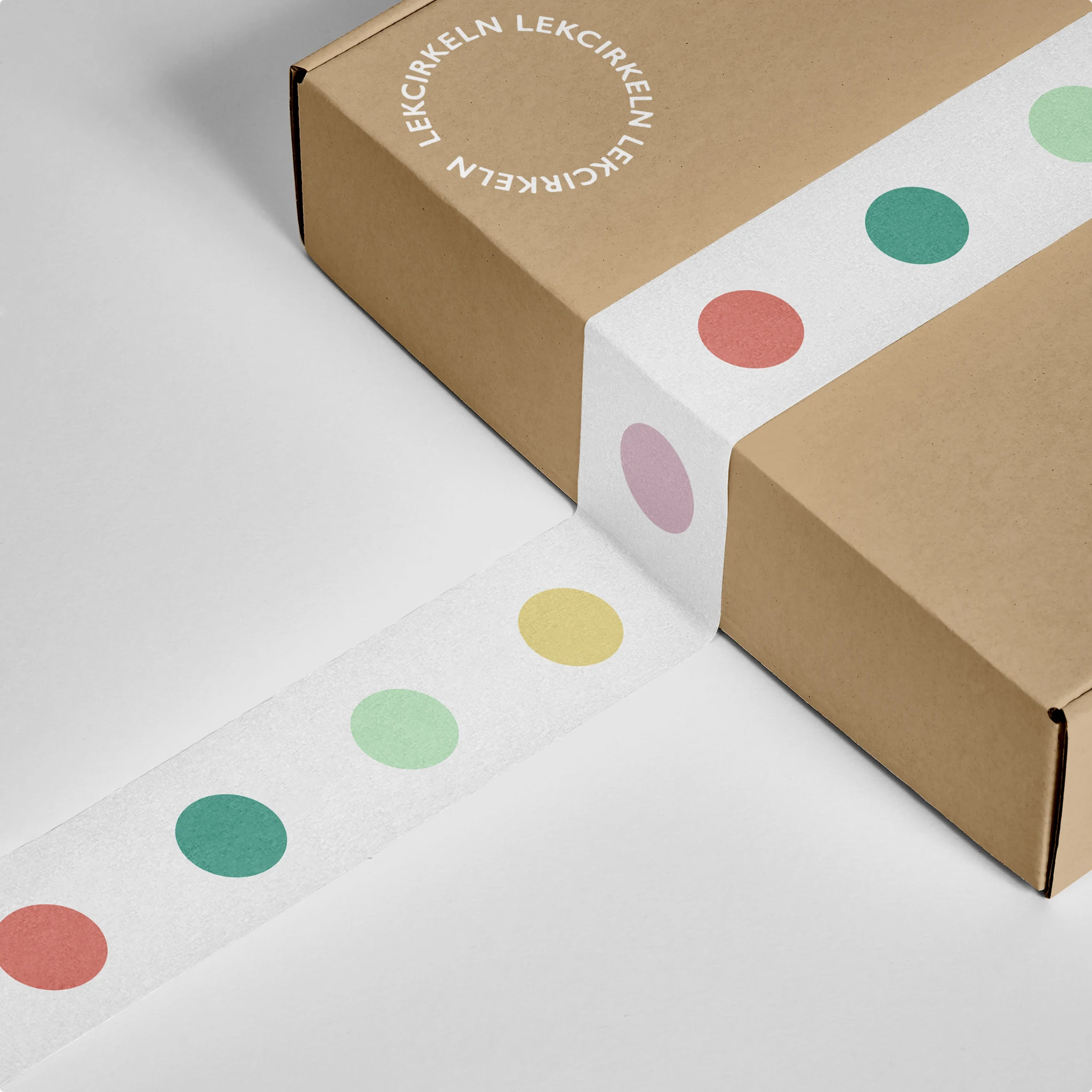
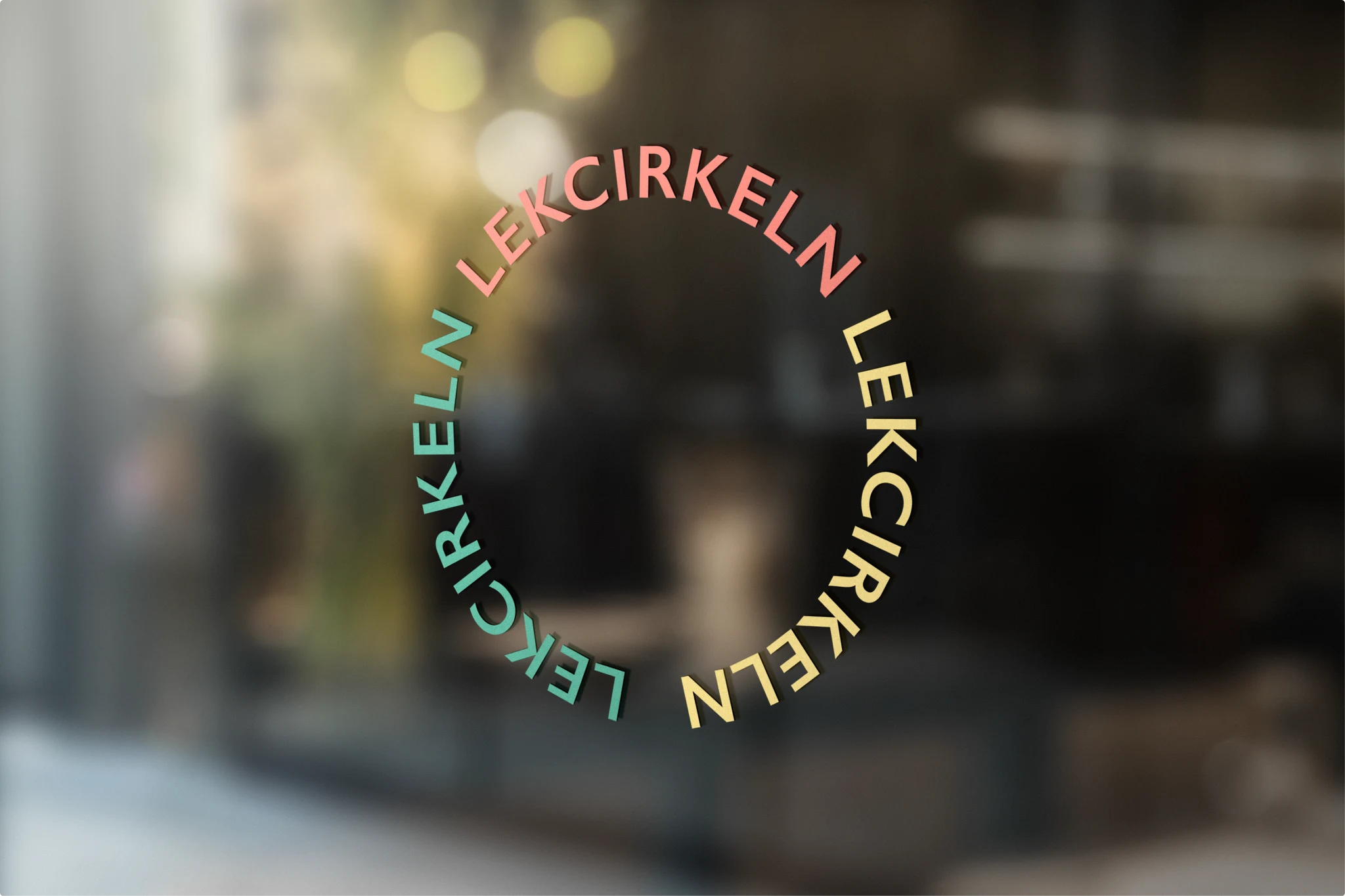
Brand touchpoints: packaging and logo on window
System flow diagrams
Documentation of how the full service loop works, from rental to return, repair, and back into circulation.
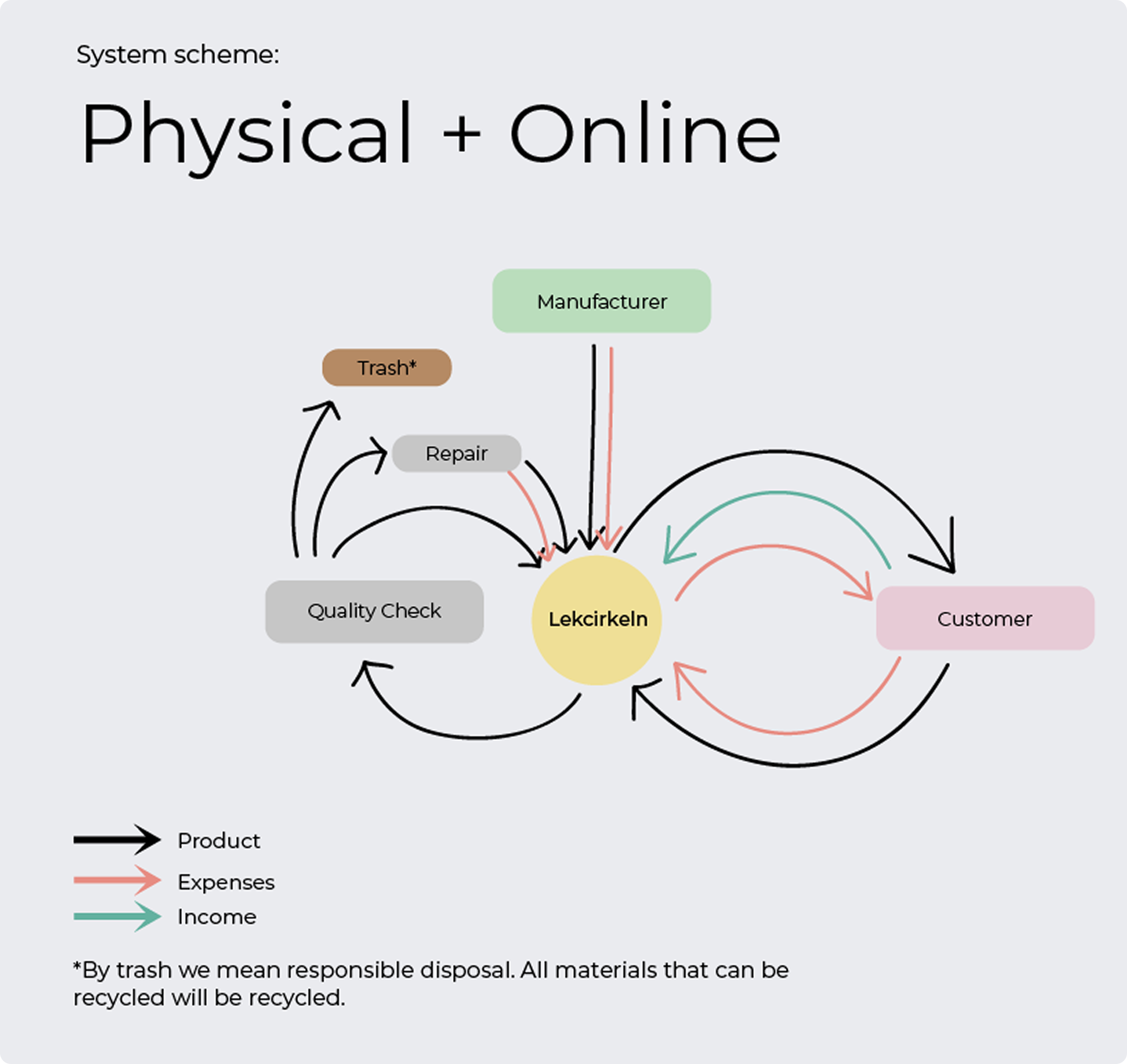
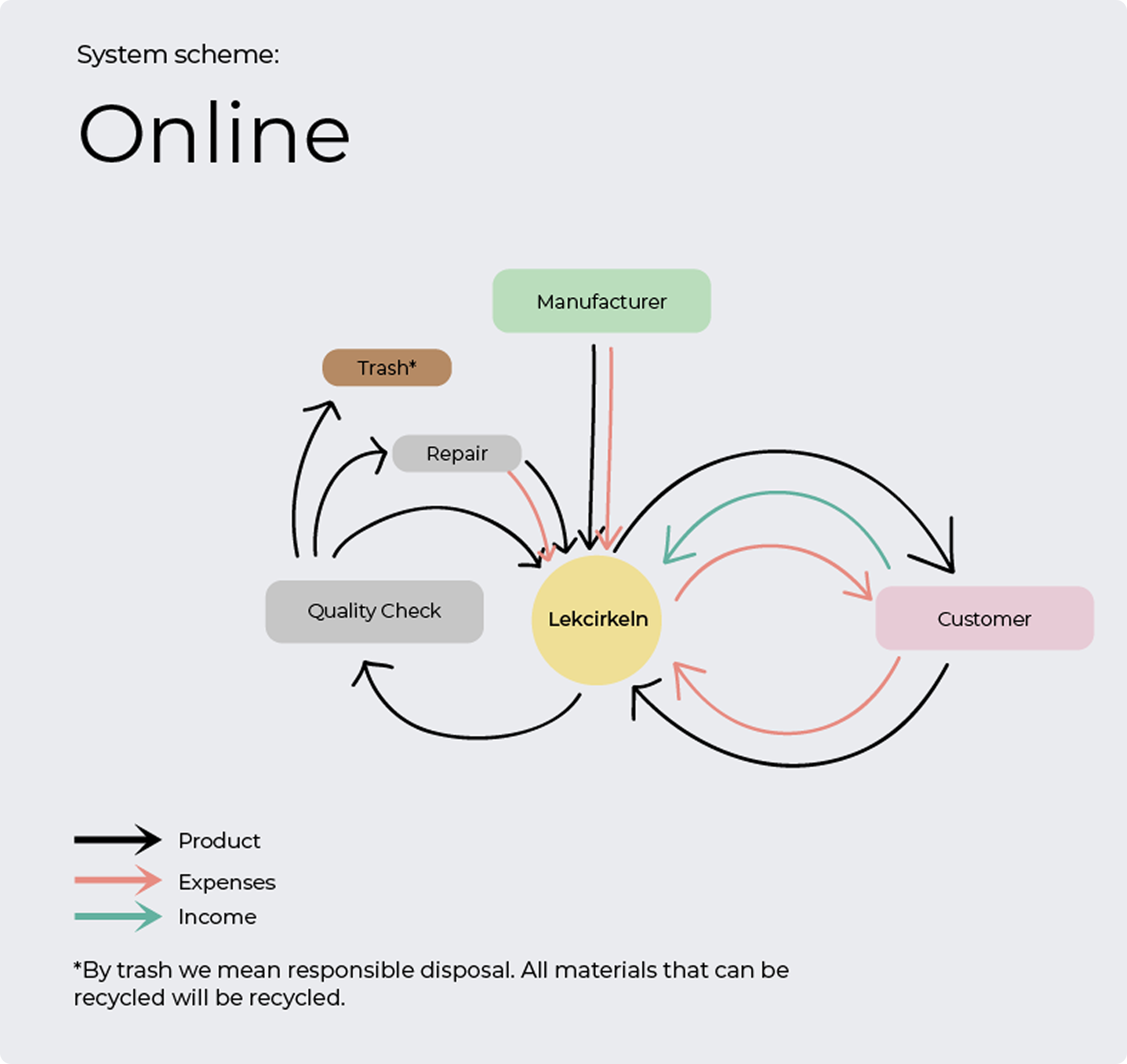
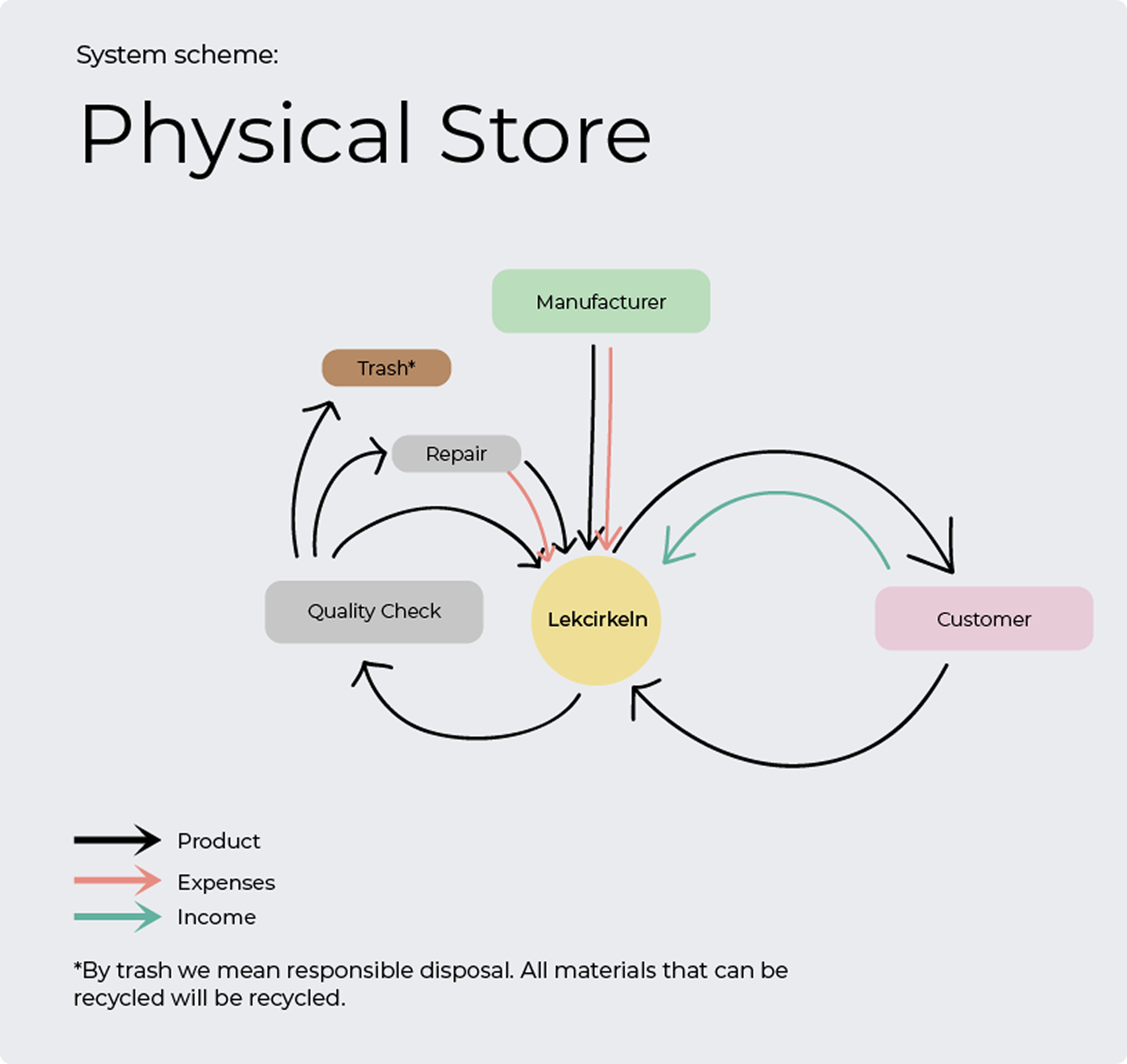
All three service models side by side: hybrid, online only, and physical only
Break-even analysis
Feasibility testing across three store models, based on hypothetical pricing and estimated subscriber numbers, to assess whether the concept could hold up financially.
Website mockups
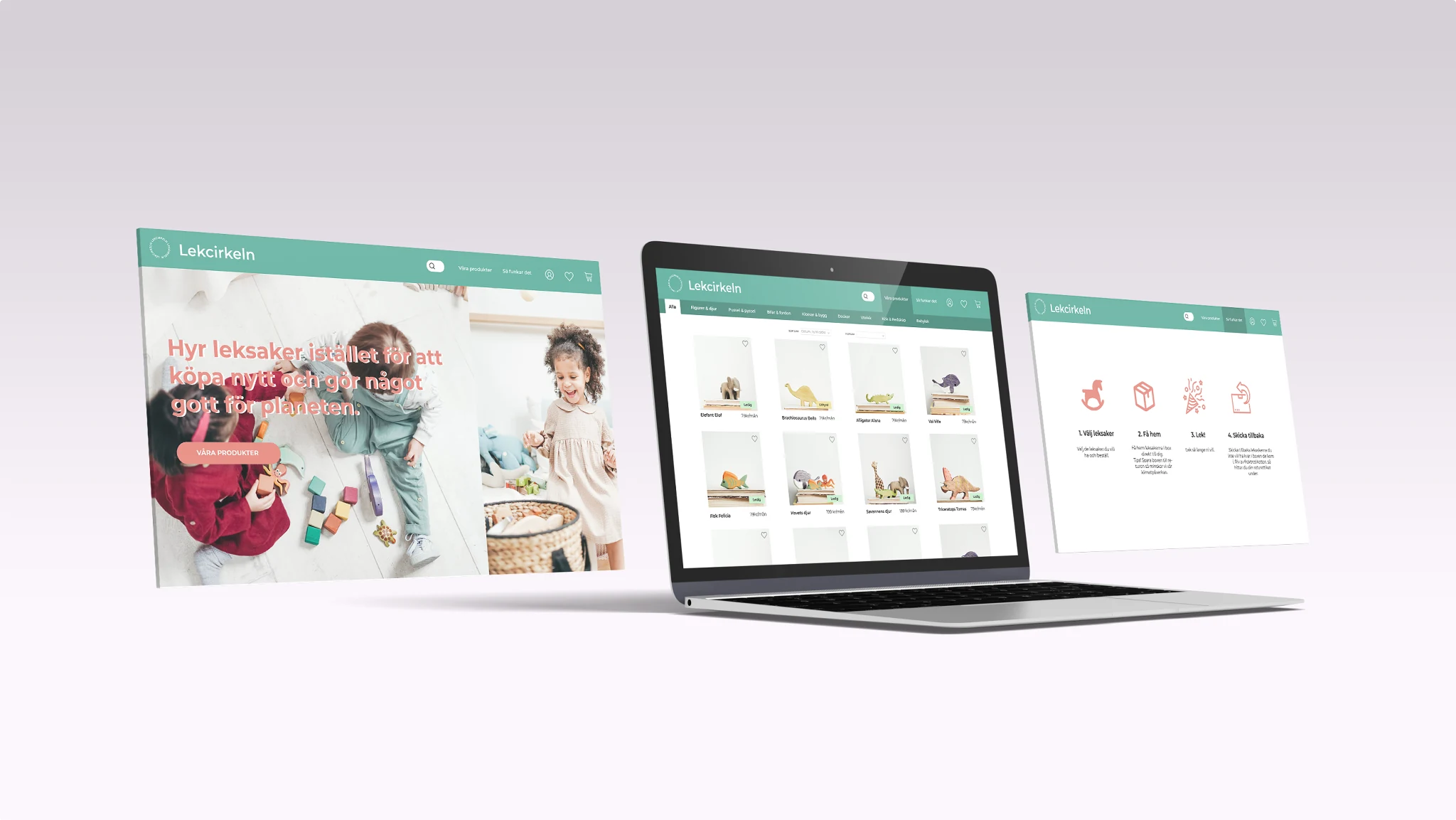
Four screens visualising how the service would be presented externally: homepage, how it works, gallery, and product page. Includes mockups of logo on window and packaging.
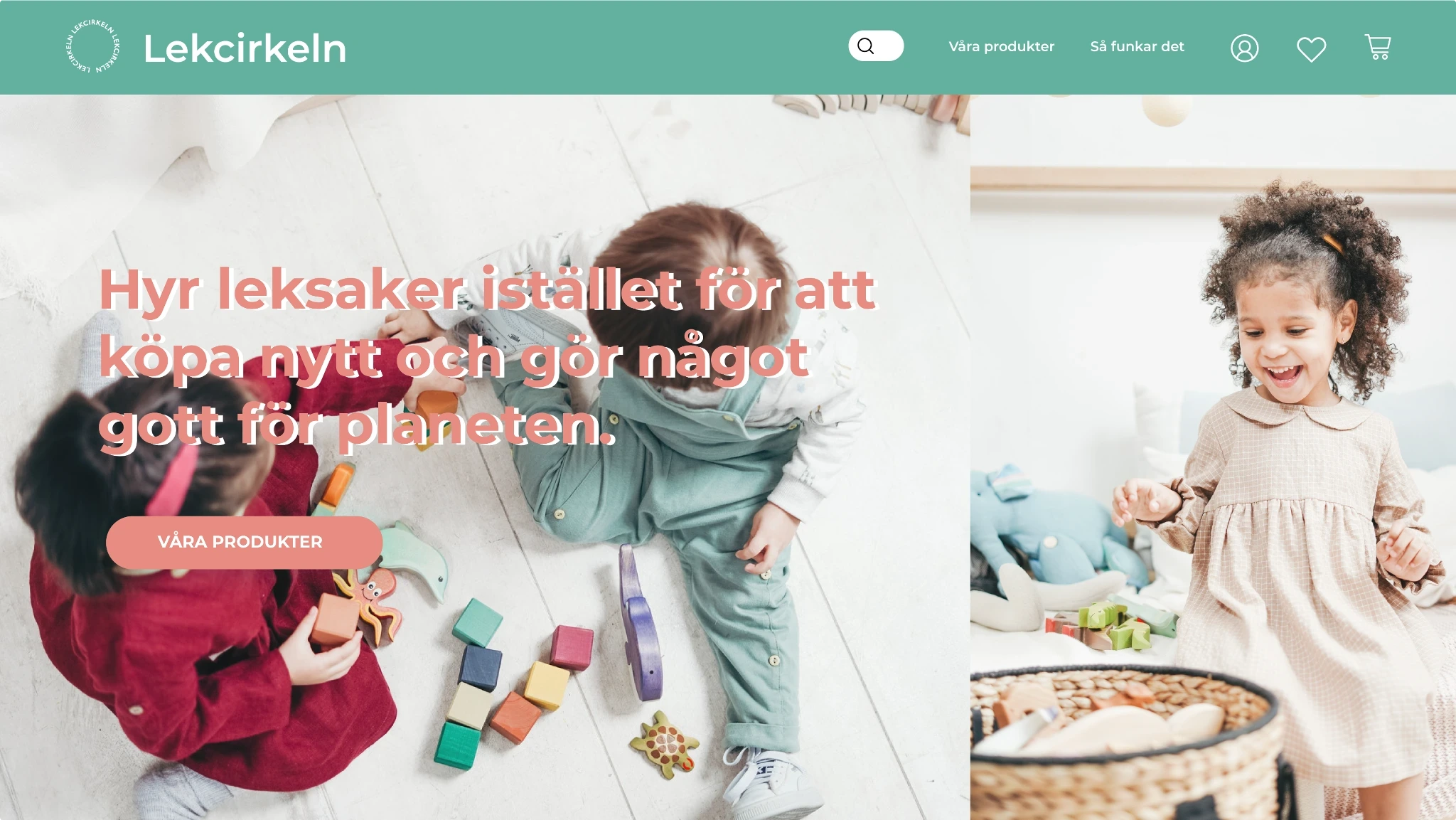
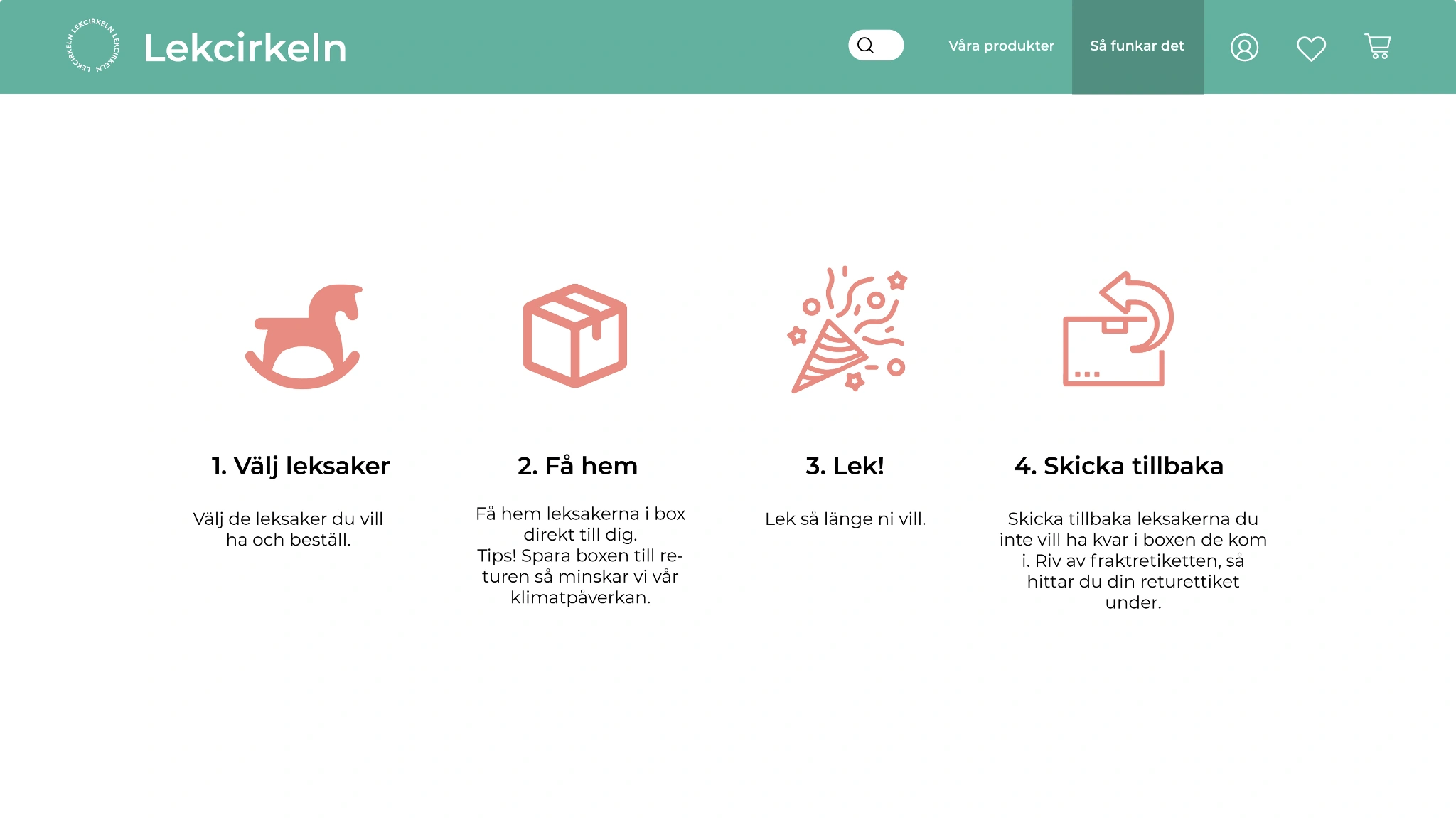
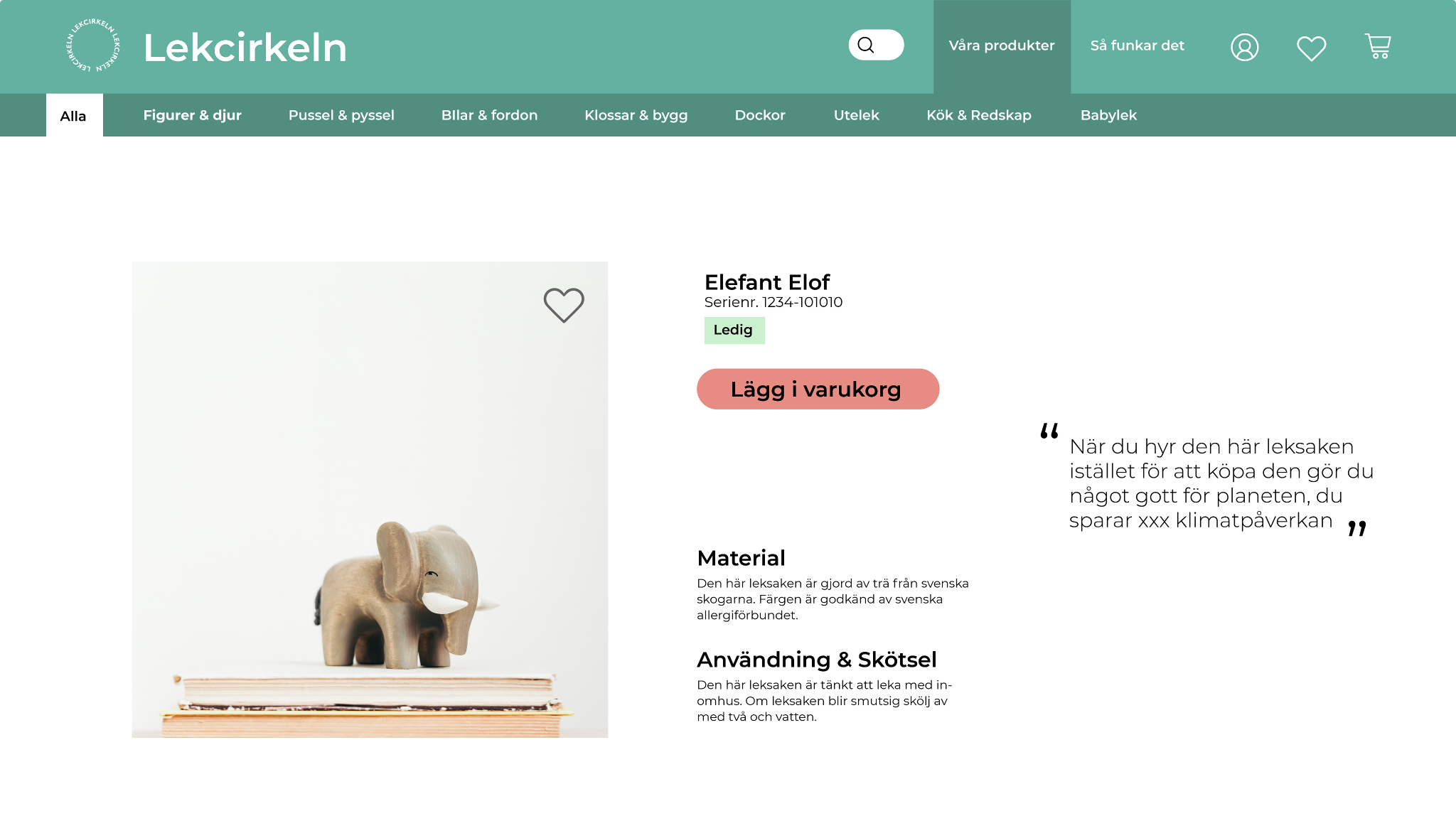
Website screens: homepage, how it works, and product detail page
The decisions
Subscription over pay-per-rental
Pay-per-rental was considered but rejected based on benchmarking. Comparable services like Hyber and Hackyourcloset operated on subscription models, and the recurring relationship reduces decision friction for users while giving the service more predictable revenue.
Hybrid model over online-only or physical-only
Break-even calculations showed a physical-only model wasn't financially viable, and online-only didn't hold up either. Parent interviews showed a clear desire for both digital browsing and a physical space where children could experience toys before choosing, so the hybrid model wasn't a compromise, it was the only option that satisfied both constraints.
Excluding stuffed animals
Stuffed animals were ruled out early. They carry hygiene risks, maintaining consistent quality across them is genuinely difficult, and children often form strong attachments to them leading to purchases rather than returns, which breaks the circular loop and erodes the service's core proposition.
Excluding donation-based supply
Sourcing from donations was considered and rejected. Donated toys are unlikely to meet consistent quality standards, which would undermine trust in the service. The tension here was real, since using existing objects is more sustainable than buying new ones. However, a service people don't trust won't build the circular habits it's designed to create, so service reliability had to come first.
The point
What made this project interesting wasn't the service concept itself but the constraints that shaped it. Every decision that felt like a sustainability compromise, excluding donations, buying new toys, required understanding why the compromise was necessary for the service to work at all. I think that tension is where a lot of circular economy design actually lives, and working through it carefully here made me more sceptical of sustainability solutions that look clean on paper but haven't been tested against how people actually behave.